
Skin Cancer and Mosh Treatment
Skin Cancer and Mosh Treatment
Skin cancer is one of the most common cancers worldwide, but it is also one of the most treatable when detected early.
Understanding what skin cancer is, who is most affected, and why certain treatments as Mohs surgery are used can make a huge difference in outcomes.
Skin cancer occurs when abnormal skin cells grow uncontrollably, usually due to damage from ultraviolet (UV) radiation from the sun or tanning beds.
There are three main types:
- Basal Cell Carcinoma (BCC) – the most common and slow-growing type
- Squamous Cell Carcinoma (SCC) – more aggressive than BCC but still highly treatable
- Melanoma – less common but the most dangerous, as it can spread quickly
Skin cancer often appears as a new growth, a sore that doesn’t heal, or a change in an existing mole.
Skin cancer occurs when abnormal skin cells grow uncontrollably, usually due to damage from ultraviolet (UV) radiation from the sun or tanning beds.
There are three main types:
- Basal Cell Carcinoma (BCC) – the most common and slow-growing type
- Squamous Cell Carcinoma (SCC) – more aggressive than BCC but still highly treatable
- Melanoma – less common but the most dangerous, as it can spread quickly
Skin cancer often appears as a new growth, a sore that doesn’t heal, or a change in an existing mole.
Skin cancer can affect anyone, but certain people are at higher risk, including:
- Individuals with fair skin, light hair, or light-colored eyes
- People with a history of excessive sun exposure or sunburns
- Those who use tanning beds
- People with a family or personal history of skin cancer
- Individuals with weakened immune systems
Older adults are more commonly diagnosed, but skin cancer is increasingly seen in younger people as well.
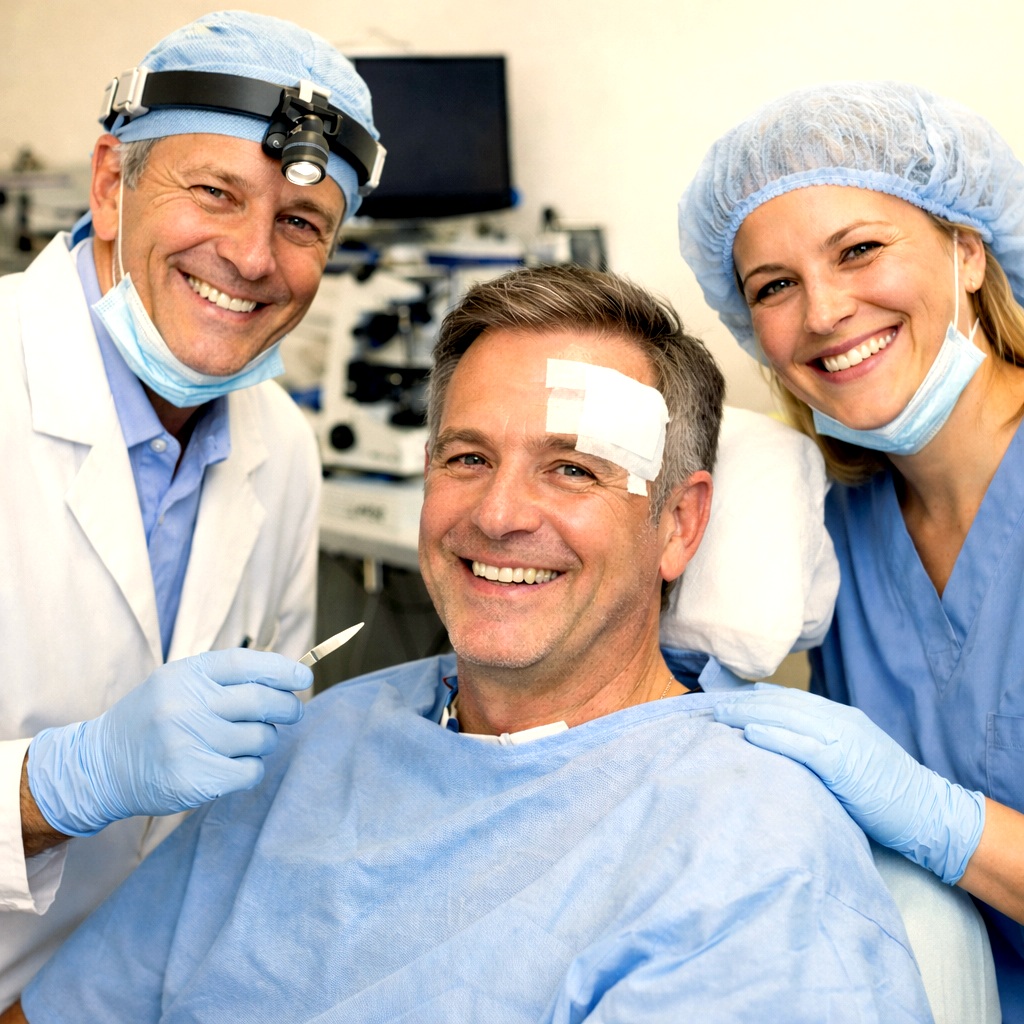
Mohs micrographic surgery is a highly specialized surgical technique used to treat certain types of skin cancer, especially BCC and SCC.
During Mohs surgery:
- The visible tumor is removed.
- Thin layers of skin are removed one at a time.
- Each layer is examined under a microscope immediately.
- The process continues until no cancer cells remain.
This method allows doctors to remove all the cancer while preserving as much healthy skin as possible.
Conclusion
Skin cancer is common, but early detection and proper treatment save lives. Mohs surgery represents one of the most precise and effective treatments available today, combining medical accuracy with excellent cosmetic results. Regular skin checks, sun protection, and prompt evaluation of suspicious skin changes are key steps in prevention and successful treatment.
If you’d like, I can also adapt this article for a patient education brochure, a medical blog, or a simpler, more public-friendly version.
Mohs surgery is chosen because it offers:
- The highest cure rate (up to 99% for some skin cancers)
- Maximum tissue preservation, which is especially important for the face, ears, nose, lips, hands, and genitals
- Immediate confirmation that all cancer has been removed
- Lower recurrence rates compared to traditional surgery
It is often recommended for:
- Skin cancers in cosmetically or functionally sensitive areas
- Large, aggressive, or recurrent tumors
- Cancers with unclear borders